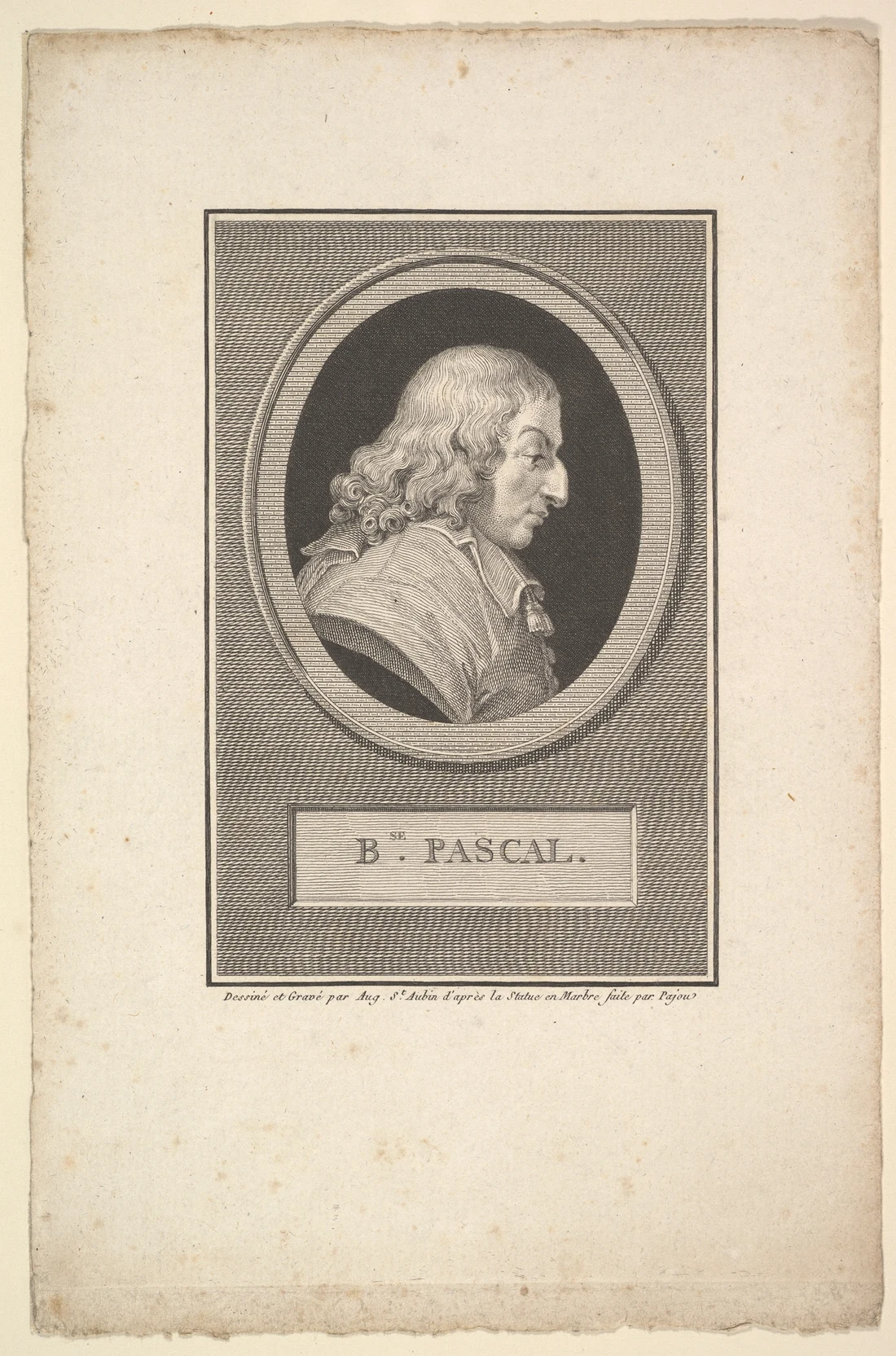
France · Eighteenth centuryWho invented
Who invented
roulette?
No single inventor has been reliably identified. Casino roulette took shape in eighteenth-century France, well after Pascal’s seventeenth-century work on curves.


A spinning wheel.
A ball that settles into one pocket.
37 pockets.
One winning number.
Who invented
roulette?
No single inventor has been reliably identified. Casino roulette took shape in eighteenth-century France, well after Pascal’s seventeenth-century work on curves.
A mathematical curve, not a casino game. In 1658, Pascal’s “roulette” was the cycloid: the curve traced by a point on a wheel rolling along a straight line.
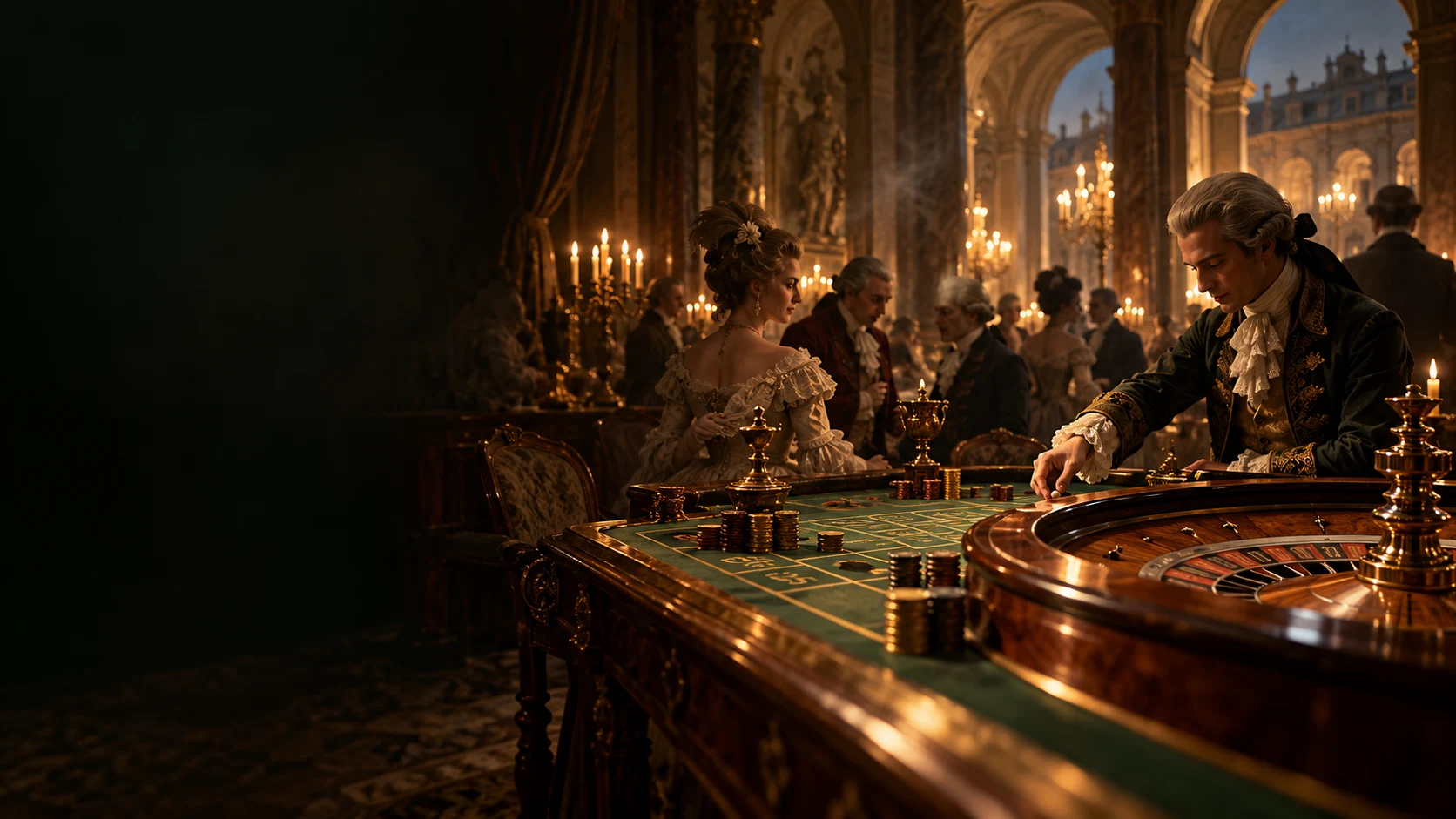
In an 1802 edition of his novel, Jacques Lablée describes roulette already played at the Palais-Royal: 36 numbers, a red zero and a black double zero.
36 numbers. A red zero. A black double zero.
Two house pockets; 38 pockets in all.
Bad Homburg · François & Louis Blanc
By 1843, the Blanc brothers offered single-zero roulette in Bad Homburg, improving players’ odds.
All 36 numbered pockets remain.
Removing 00 leaves 37 equal pockets. On modern wheels, the remaining zero is green.
House edge is the casino’s average share of money wagered over many plays. Removing 00 raises each remaining number’s chance from 1/38 to 1/37. With the same 35:1 payout on a single number, the edge falls from 2/38 to 1/37.
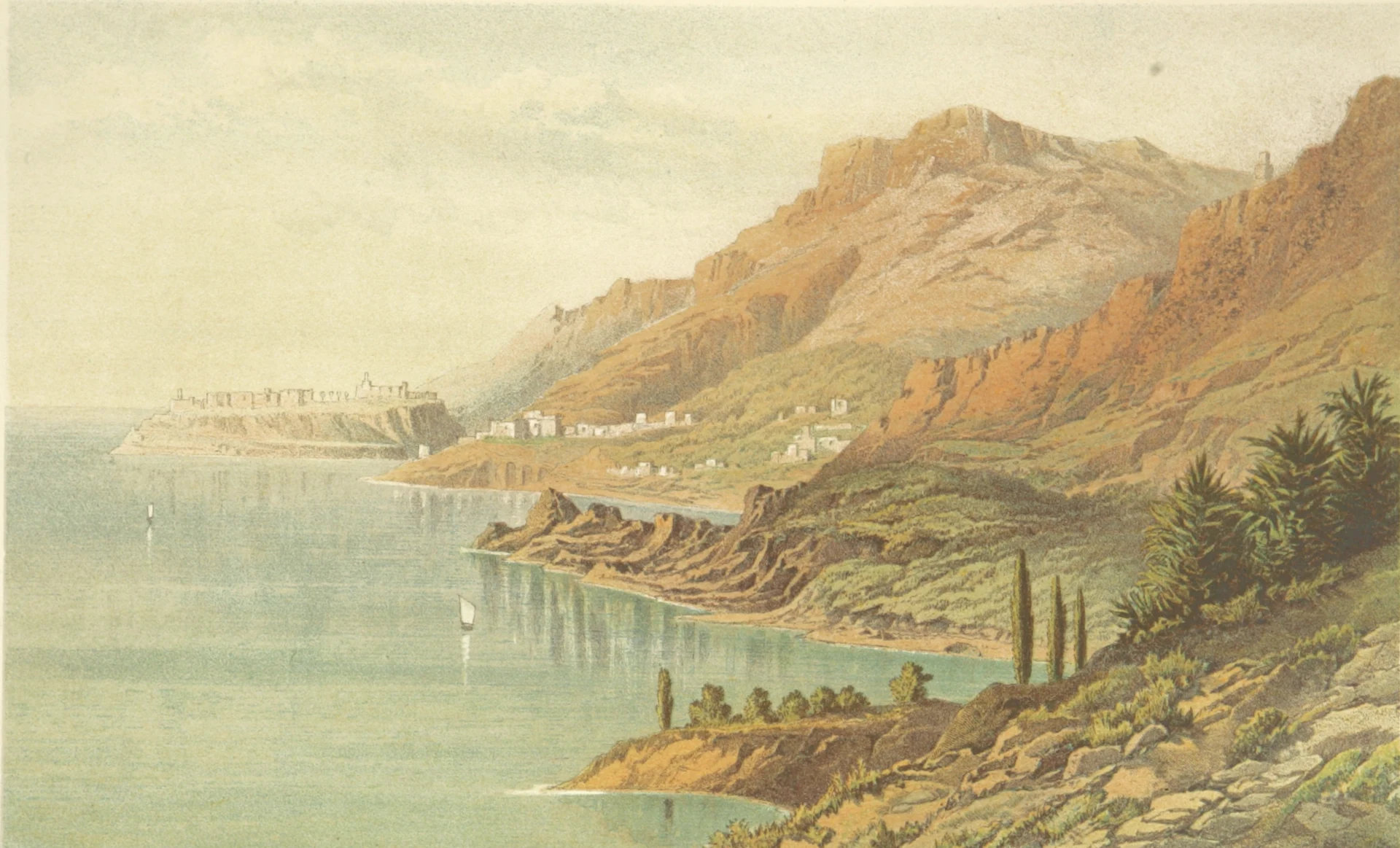
Monaco already had a casino in 1856. In 1863, François Blanc took over its gaming enterprise through the Société des Bains de Mer, developing the casino and surrounding resort on the Spélugues plateau.
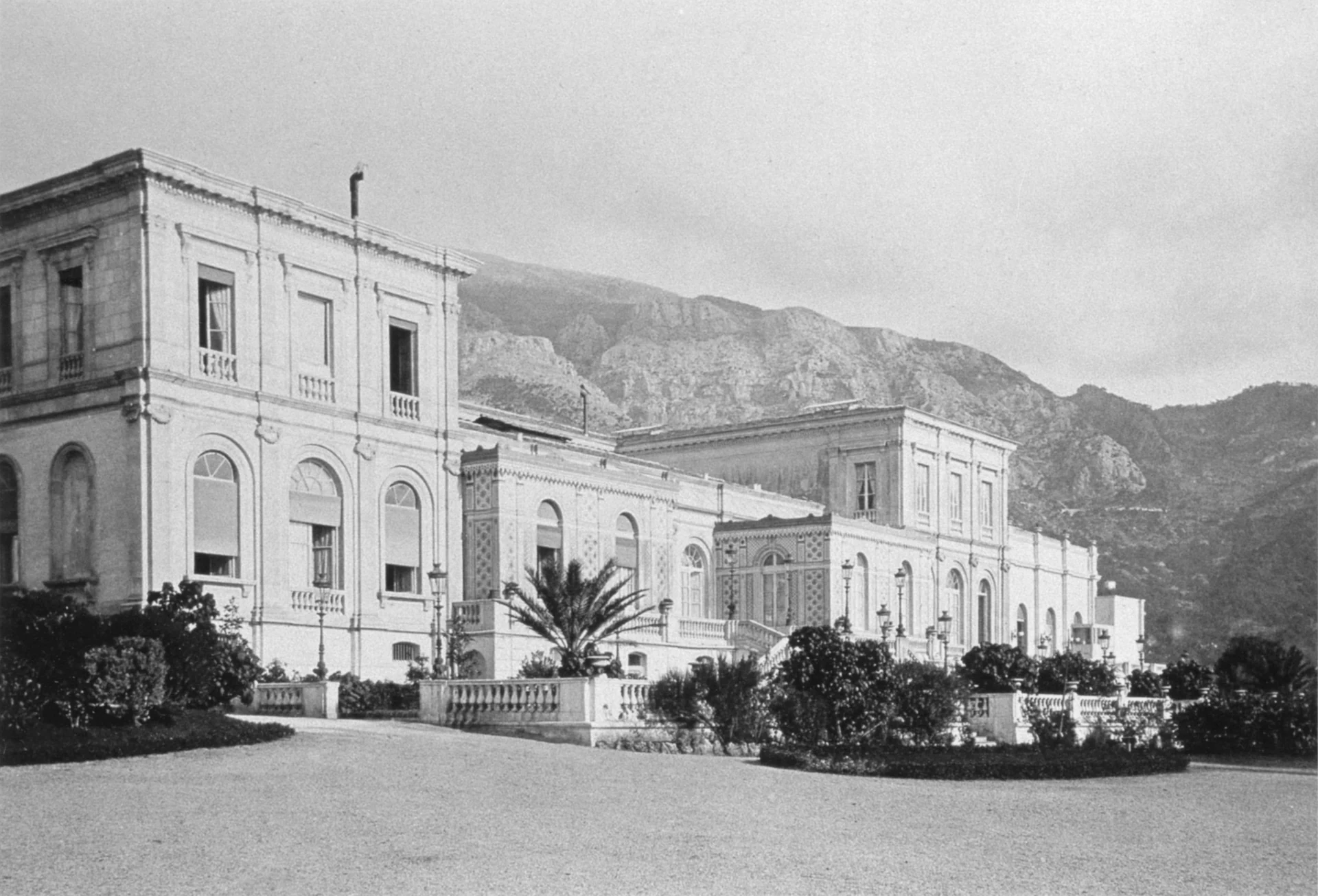
On 1 June 1866, Prince Charles III gave the developing resort its name: Monte-Carlo. The name honours Charles: Monte-Carlo means “Mount Charles”.
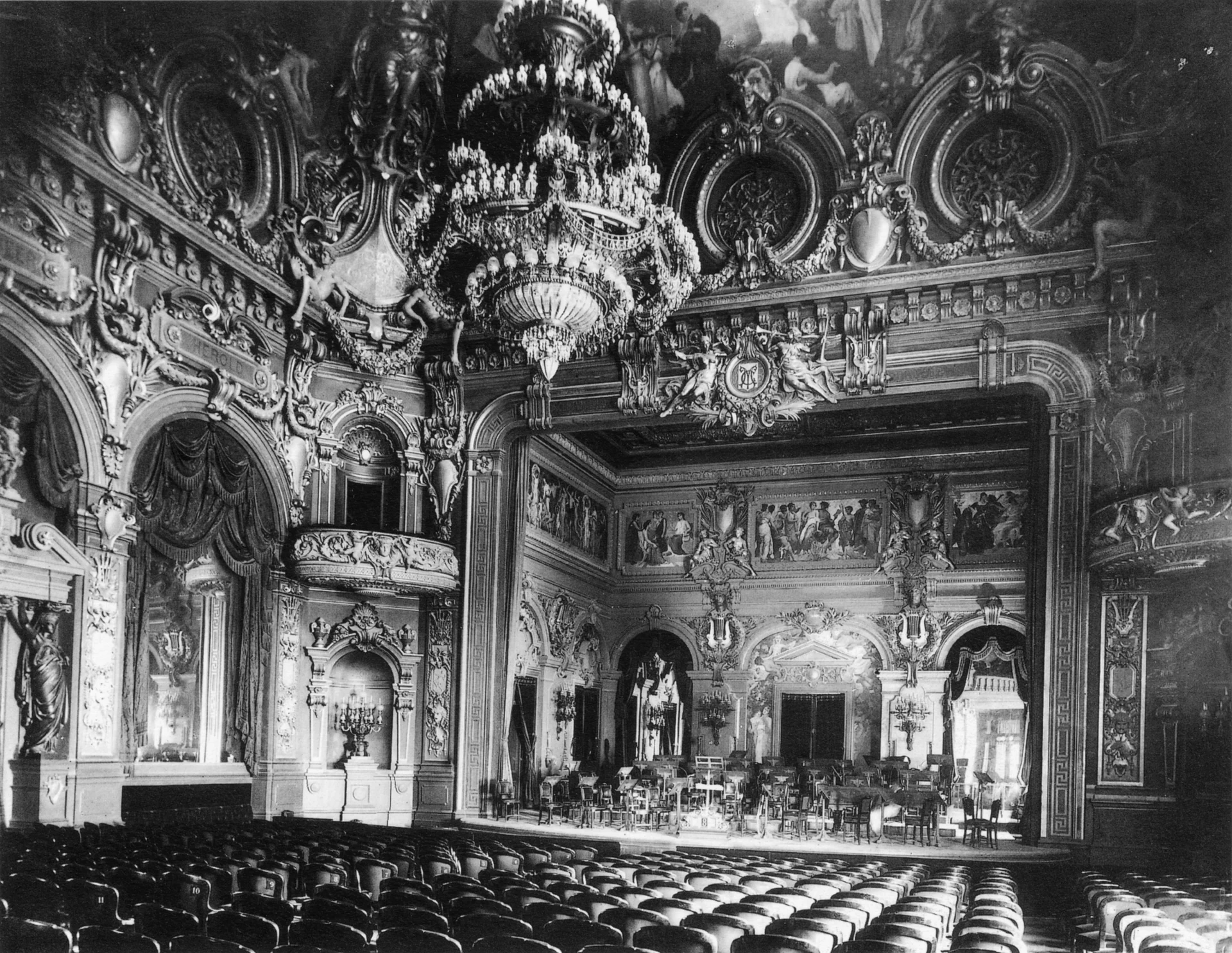
Rebuilding began in 1878, adding Charles Garnier’s theatre to the casino complex. Salle Garnier opened on .

The ball runs along a raised track fixed to the outer bowl. This track stays still while the ball travels around it.
The numbered wheelhead turns independently inside the fixed bowl, rotating around the central spindle.
The polished wooden bowl supports the track and surrounds the moving wheelhead. The bowl itself does not rotate.
The ball travels opposite to the wheelhead. As it loses speed, it drops from the track onto the sloping apron. Fixed deflectors interrupt its path toward the pockets.
37 pockets: 36 numbered pockets and one zero.
Discover the table
The layout covers 0–36. Inside bets cover one number or a small combination; outside bets cover larger groups.
Swipe the table sideways to reach every betting area →
A single number pays 35:1 Dozens & columns 2:1 · Even-money bets 1:1
A winning 1-unit number bet returns 36 units: 35 profit + 1 stake. Net = returned − all stakes. Zero loses on outside bets.
A chip on the border between two cells covers both numbers.
Covered numbers17 · 20On the shared border
More covered numbers win more often, but pay less. All four bet types have the same 2.70% house edge.
36 numbered pockets and one green zero. Under standard rules, zero loses an even-money bet.
When zero lands, a 10-unit Red bet loses all 10 under standard rules. La Partage returns 5 and loses 5, where offered.
10 units on Red in both cases.
The stake stays held for another spin. Depending on the table’s rules, a later winning result releases it without extra winnings. Further zeros follow that table’s rules.
38 pockets, with 0 and 00. The number order also changes; ordinary payouts stay the same.
0 + 00 + 1 + 2 + 3
Its 7.89% house edge is higher than the 5.26% on ordinary American bets.
Compared with American roulette, Triple Zero adds 000: 39 pockets instead of 38. Standard payouts stay the same.
One zero
European reference: 37 pockets · one zeroStandard single-zero rules
One zero. One small difference.
37units wagered
36units returned
97.30%theoretical RTP
A 1-unit Red bet returns 2 units on 18 of 37 outcomes, and nothing on the other 19. Weight every possible outcome equally: 37 units wagered, 36 returned.
The difference is 1 / 37: a 2.70% house edge. This is an expectation, not a prediction for 37 actual spins.
RTP includes returned stakes. Individual sessions can return more, less, or nothing.
A 1-unit bet on Red returns 2 units or nothing. Return to player (RTP) is the average share of stakes returned, including winning stakes.
1,000 spins · 1,000 units staked on each bet
18 winning pockets
2 units returned per win
1,050 returned+50 net
1 winning pocket
36 units returned per win
900 returned−100 net
The expected return is not a guaranteed result.
Expected loss: 1,000 × 2.7027% ≈ 27.03 units. Actual results can differ.
As more spins accumulate, the observed average can move closer to theory, but no finite sample is guaranteed to match it. Red and 17 have the same theoretical return; their fluctuations can be very different.
Martingale doubles the next even-money bet after each loss. A later win can recover the stakes and leave a 1-unit profit — if the next wager is affordable.
Example: a 1-unit Red bet, doubled after each loss.
A win resets the next stake to 1. Recovery depends on reaching that win.
Seven consecutive losses consume all 127 units. The next required bet is 128 — twice the table maximum, with no bankroll left to place it.
Seven losses · Starting bankroll: 127 units · Table maximum: 64
127units lost
0bankroll remaining
The wheel's odds never changed.
The required stake outgrew the available money.
On an ideal fair wheel, spins are independent. The last six results do not change the probability of Red, Black or Zero on the next spin.
Different history.
Same next-spin probabilities.
Flat betting keeps the stake at 1. Martingale doubles after a loss and resets after a win. Neither changes the wheel's probabilities or its house edge.
Martingalenext stake128
Stopped: next stake 128 exceeds the bankroll and table maximum.
Expected loss = 1 / 37 × expected total wagered. The 2.70% edge applies to wagered volume, not the starting bankroll or an exact session loss.
Fibonacci uses stakes from the sequence 1, 1, 2, 3, 5, 8…; each new term adds the previous two.D’Alembert commonly adds one unit after a loss and subtracts one after a win.
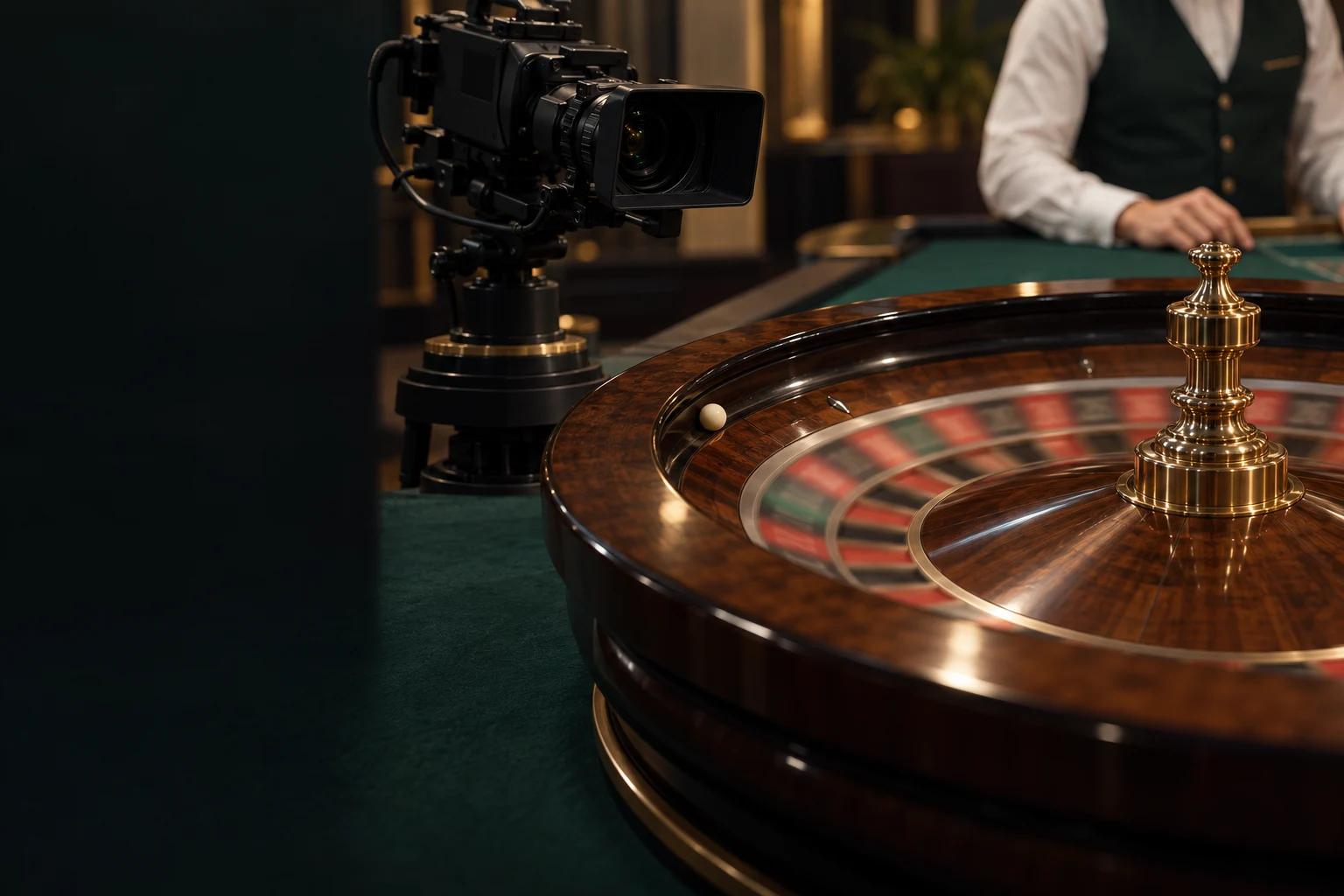
A real wheel. A human dealer. Live video carries the action to players who place their bets through a digital interface.
Camera → live video
The result still comes from the wheel.
Speed changes the pace. Automation changes what launches the ball. Both can use a physical roulette wheel.

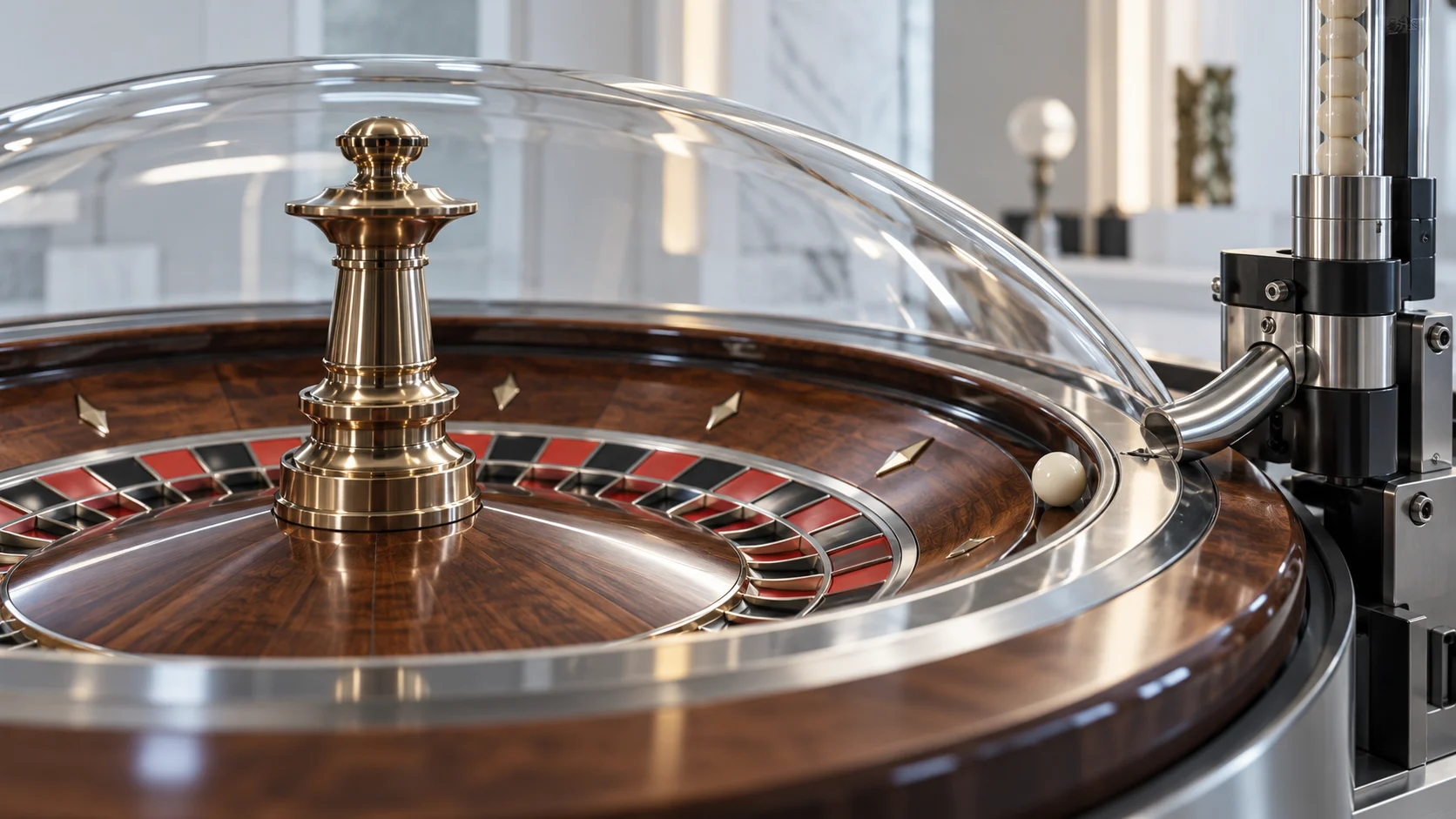
Evolution Speed Roulette — approximately 25 seconds per round. This timing is specific to that product; faster play alone does not change the payouts.
Bets close→Ball launched→Physical result

Evolution Lightning Roulette adds Lucky Numbers to a live single-zero wheel. The trade-off: ordinary straight-up wins pay 29:1 instead of 35:1.
Example: 1 unit on 17
1 unit on 17Straight-up · one number
Winning number 17
100 units returned +99 net
A 100x payout returns 100 times the stake: 100 units in total, including the original unit.
Standard · straight-up win35:1+35 net · 36 total returned
Lightning · no multiplier29:1+29 net · 30 total returned
If Lucky 17 wins · example100x+99 net · 100 total returned
1–5 Lucky Numbers per round · 50x–500x Lucky Payouts.
Other standard bet categories retain their usual payouts.
 Ball 1Ball 2
Evolution Double Ball sends two balls from a dealer-triggered launch device. One round produces two results, with specialty bets and settlement rules.
Ball 1 →17
Ball 2 →32
Two results do not mean ordinary bets simply pay twice. The game’s own settlement rules apply.
Live / AutoPhysical wheel
≠RNG rouletteSoftware-generated result
Example round: two balls, two winning numbers.
A dealer or an automated launcher can operate a physical wheel. RNG roulette generates its result in software.
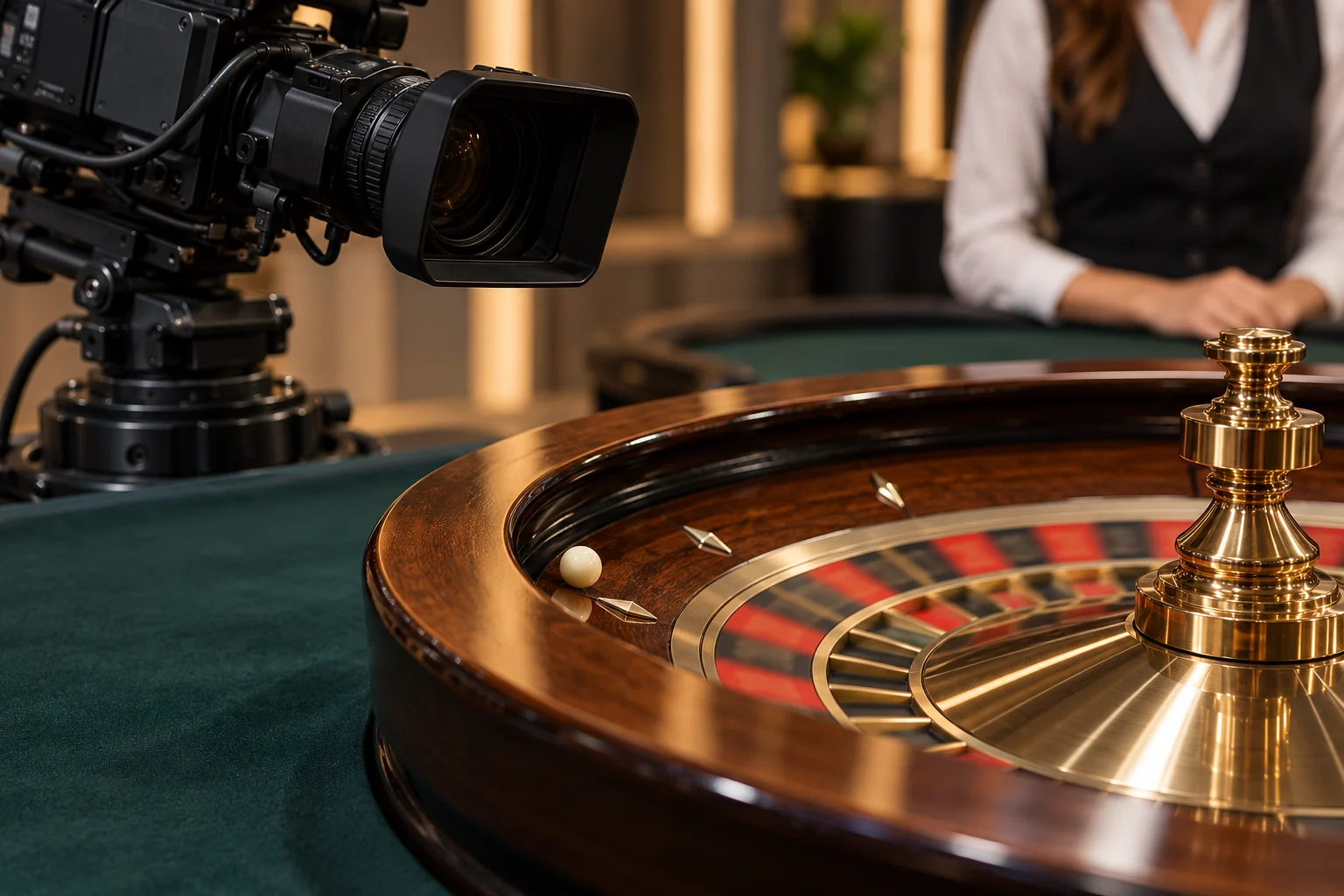
Betting closes before the ball settles; the live feed carries the result.
Players bet remotely using the rules and limits of the selected table.
Payouts, available bets and limits depend on the specific product. A format name alone does not define its RTP.
At a casino table or in live online roulette, a physical wheel determines the result. RNG roulette uses software. The betting procedure and available rules depend on the game.
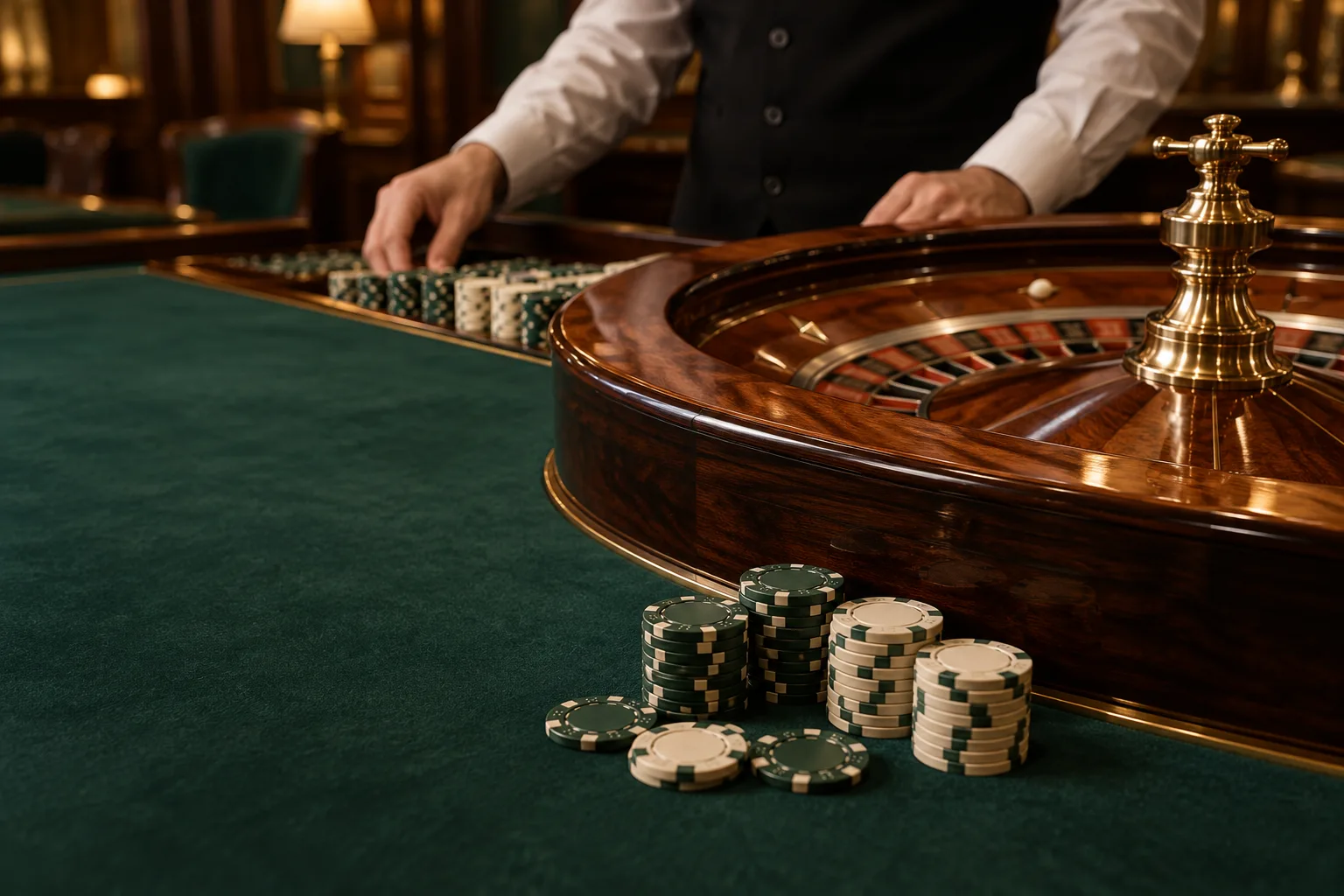
Place chips on the felt while betting is open. The dealer runs the round, closes betting and pays winning bets after the ball lands.
Some casinos use a different chip colour for each player. Confirm the value of your chips with the dealer.
Physical tablePlace bets on screen before the betting window closes. A physical wheel is streamed from a studio or casino. The ball’s final pocket gives the winning number.
Check the betting window, limits and accepted wagers. The game’s rules explain what is recorded and how interrupted or voided rounds are handled.
Live rouletteSoftware selects the winning number; no physical wheel is needed. Betting controls, available wagers and rules vary between games.
A format name alone does not define its RTP.
RNG rouletteOn a European roulette wheel, the ball can finish in any of 37 pockets: numbers 1–36 and a single zero.
Choose what to examine,
then spin the wheel.
1 in 37 — this exact pocket
For a hypothetical 1-unit bet. Returns include the winning stake.
Each spin generates an independent result.
Either bet has a 2.70% house edge over many spins.
The final outcome
